Introduction
Hotel key cards are one of the most handled, most relied upon, and most overlooked pieces of technology in any property. Guests use them dozens of times during a stay. Staff depend on them to access back-of-house areas, service corridors, and restricted zones. When the key card technology fails or underperforms, it creates friction at exactly the moments that matter most. At Al Andalus Hotels Suppliers, we have been supplying advanced hotel lock systems and access solutions to properties across the UAE, the Middle East, and the MENA region since 2000, and the question we are asked consistently by hospitality managers is a straightforward one: Should we be using RFID or magnetic stripe hotel key cards? Here is the complete answer.
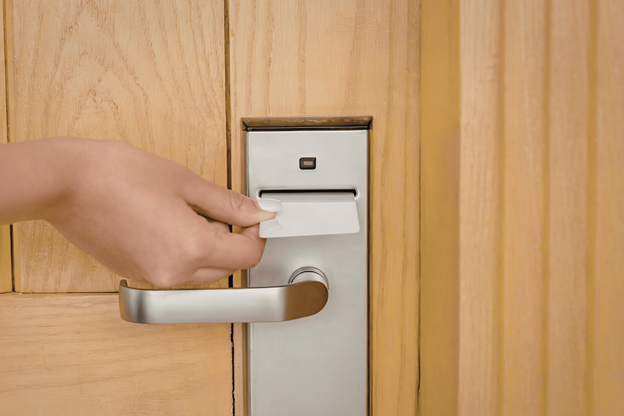
Magnetic stripe hotel key cards use a band of magnetic material on the back of the card to store encoded access data. When the card is swiped through a reader, the magnetic strip transmits the data and the lock either grants or denies access. This technology has been the hospitality industry standard since the 1980s and is still in use at a significant number of properties worldwide.
The advantage of magnetic stripe hotel key cards is their low upfront cost per card and the wide availability of compatible lock hardware. For budget and mid-range properties with a high volume of card replacements, the low per-unit cost is a meaningful consideration.
The drawbacks, however, have become harder to ignore. Magnetic stripe cards are vulnerable to demagnetisation, which occurs when they are stored near a mobile phone, another card, or any magnetised object. This is the most common cause of guest lockouts and front desk complaints. The magnetic strip also wears over time with repeated use, degrading read reliability and increasing the rate of card failure.
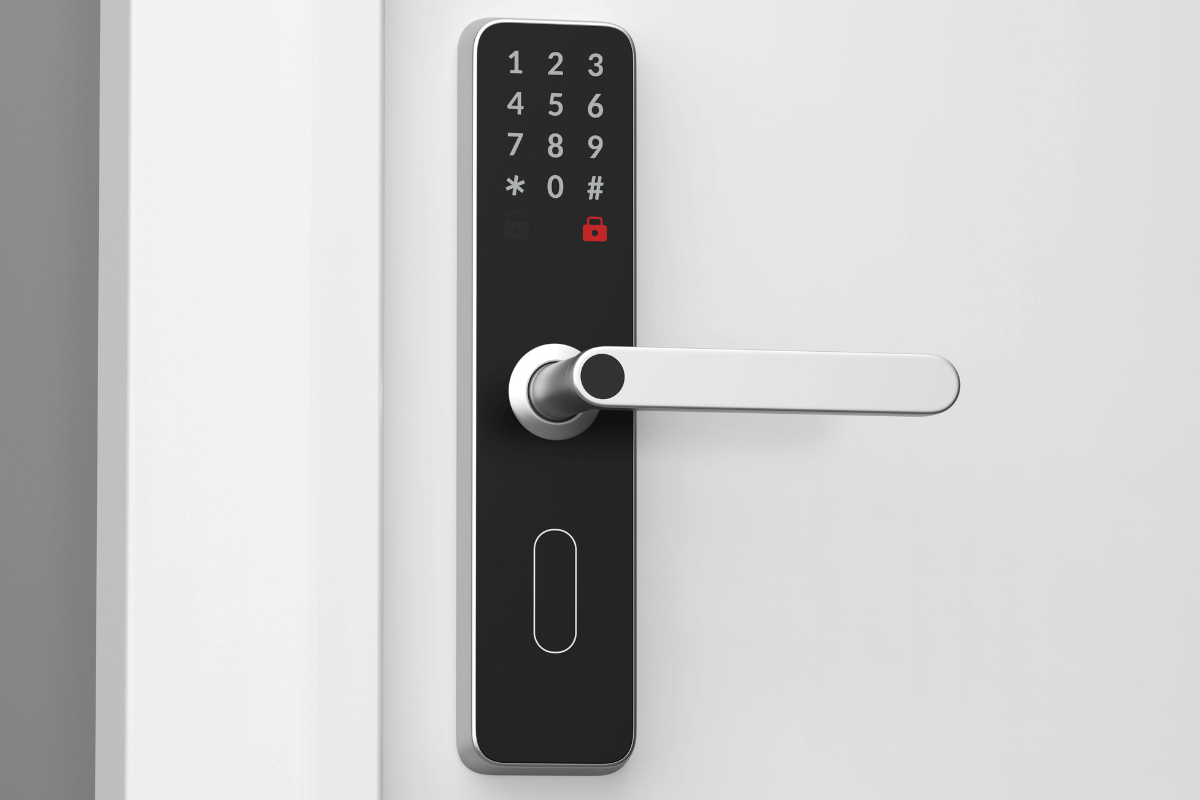
RFID hotel key cards use radio frequency identification technology. A small embedded chip and antenna within the card communicate wirelessly with the door reader when the card is held in proximity. There is no physical contact, no swiping, and no mechanical wear on either the card or the reader.
RFID hotel key cards are the current standard for new hotel installations and refurbishments globally, and they are the preferred technology at premium and luxury properties. Their advantages over magnetic stripe are significant and well established.
RFID cards are not affected by proximity to mobile phones or other cards, which eliminates the most common cause of card failure. They are more durable because there is no magnetic strip to wear down. They are faster and more convenient to use, requiring only a tap or wave near the reader rather than a precise swipe. They are also more difficult to clone than magnetic stripe cards, offering a meaningfully higher level of security for both guests and the property.
Security is where the gap between the two technologies is most apparent. Magnetic stripe hotel key cards can be read and duplicated with relatively accessible equipment, which presents a genuine vulnerability for properties that handle high volumes of guests and frequent card reprogramming. RFID hotel key cards use encrypted communication between the card and the reader, making unauthorised duplication significantly more difficult. For properties that operate online hotel lock systems with real-time access management, RFID is the only appropriate technology choice.
At Al Andalus Hotels Suppliers, we supply both online and offline hotel lock systems compatible with RFID technology, including solutions from our own ASHM range as well as third-party compatible systems. Our access control product range also includes RFID long-range readers for staff access management in larger properties.
RFID hotel key cards cost more per unit than magnetic stripe cards. However, when you factor in the total cost of ownership, including the reduced rate of guest lockouts, lower card replacement frequency, decreased front desk intervention, and the improved guest experience, the economics strongly favour RFID over a typical property lifecycle. For new installations, RFID hardware and cards represent the smarter long-term investment without question.
For properties considering an upgrade from magnetic stripe to RFID, the transition is well supported by current hotel lock hardware. Al Andalus supplies compatible lock systems and can guide your property through the migration process from initial consultation to full installation.
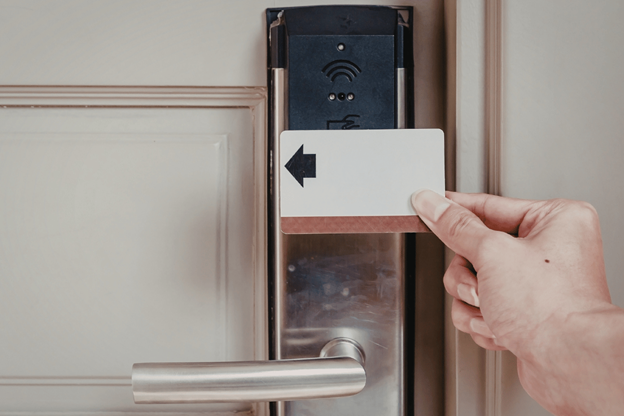
If your property is installing new lock hardware or planning a refurbishment, RFID hotel key cards are the clear and correct choice. The technology is more reliable, more secure, more durable, and more aligned with current guest expectations. Magnetic stripe hotel key cards are legacy technology, and properties still relying on them are increasingly managing avoidable operational problems.
If your property is currently running magnetic stripe hotel key cards and a full hardware upgrade is not yet planned, it is worth evaluating the annual cost of card replacements, guest lockouts, and front desk time spent resolving card failures. In many cases, that analysis alone makes the case for accelerating the transition.