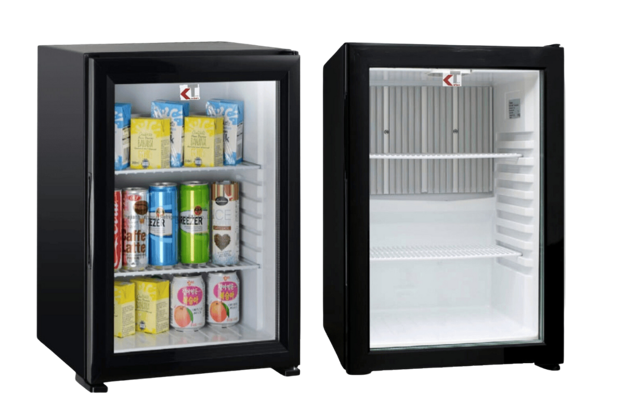
Imagine this scenario at morning check-out: a guest is reviewing their bill, stops at a beverage charge, and insists they never touched the item. Front desk staff call down to housekeeping to double-check the room, while a queue of departing guests starts building up behind them. For hotel teams across the region, traditional hotel minibar fridges cause this exact kind of headache every single day. When snacks or drinks are miscounted, logged hours late, or checked manually, it leads to awkward front desk arguments, credit card chargebacks, and lost revenue. The answer is to upgrade to smart, weight-sensor technology to track each item as it is consumed. Working with a trusted Hotel Amenities Supplier such as Al Andalus Hotels Suppliers, property managers can replace slow pen-and-paper audits with fast, automated accuracy that delights guests and keeps front desks running smoothly.
For years, tracking in-room treats meant manual audits. Housekeeping had to knock on doors, enter, and count every bottle and snack by hand. This method creates constant problems in a fast-paced hotel environment:
Smart minibars use tiny weight sensors built directly under every shelf, rack, and tray. These sensors track the weight of each product in real time.
When a guest picks up a bottle, the sensor notes the weight change instantly. To prevent accidental charges when someone is just curious, the system includes a built-in grace period, usually set between 15 and 30 seconds. If the guest puts the bottle back within that window, no charge happens. If the item stays off the shelf past that timer, the unit sends a quick signal through your hotel’s network and posts the cost straight to the guest’s digital room account.
Partnering with a seasoned supplier lets you adjust these timers, set price groups, and configure automatic updates for your front desk team without complicating your daily workflow.
| Feature | Traditional Minibars | Weight-Sensor Minibars |
|---|---|---|
| Billing Speed | Slow manual updates after room checks | Immediate posting to the front desk system |
| Dispute Frequency | High due to late entries and human error | Very low due to clear time logs |
| Guest Privacy | Disrupted by routine room inspections | Protected with digital inventory checks |
| Housekeeping Effort | Needs manual checks in every room daily | Staff only visit rooms that need restocking |
| Revenue Tracking | High risk of missed or unbilled items | Captures every single consumed item automatically |
Beyond avoiding arguments at the front desk, weight-sensor minibar fridges from a well-known hotel amenities supplier bring a range of operational benefits worth considering:
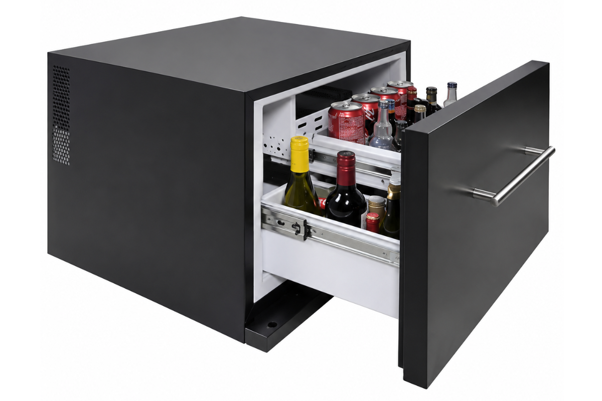
If your hotel team is planning to upgrade room cooling units, here is a practical checklist to help ensure a smooth rollout: